

- June 15, 2022
How Unified Tech Unified MotoGP
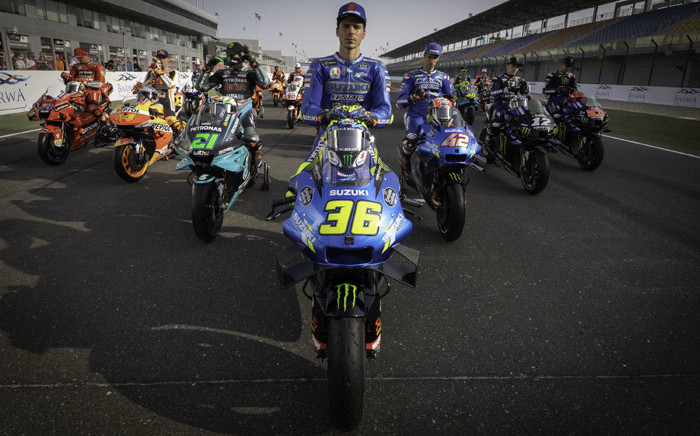
The MotoGP World Championship isn’t simply a race; it’s also a worldwide spectacle whose format draws millions of spectators from all over the world. However, balancing all of these variables without making races less appealing isn’t always simple.
It’s a reoccurring topic that rattles the foundations of MotoGP from time to time. It generally happens because this championship isn’t hieratic and immovable, as if it were carved in stone; it’s a live competition that advances at the speed of technology and must therefore adapt. Even though it isn’t always simple to strike the perfect balance.
To begin with, not everyone, including riders who worked for the same supplier, had access to the same sort of tyres. Based on the telemetry data acquired on the first day of practice, custom tyres were created. Michelin did just that in the European races for several seasons, working against the clock in its Clermont-Ferrand factory (France) to send out a new supply of special racing tyres for Valentino Rossi in rapid road service on Saturday night.
When the sole supplier system was implemented in 2009, these disparities between riders were erased, levelling the playing field and improving the spectacle. Slowly, lap and race time records were changed, increasing the level of excitement on the circuit.
With the introduction of the unified ECU in 2015, the next stage was taken. Electronics also made a significant impact since they were incredibly expensive to produce, not all manufacturers could afford them, and not all MotoGP satellite teams had the financial resources to handle the necessary modifications for these sophisticated systems.
This has resulted in highly equal and balanced competition circumstances, with riders competing at a high level, resulting in the most balanced championship in history, with few distinctions between the riders. Races are no longer determined by large margins of seconds; rather, victories and podium finishes are decided by tenths or thousandths of a second.